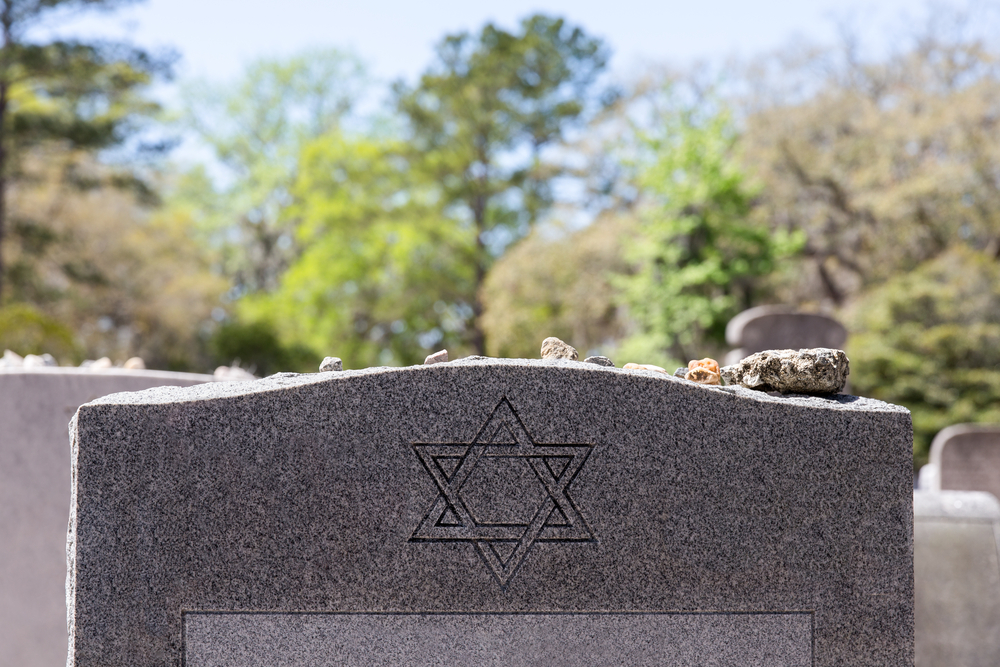
The death of a family member or close friend is always a difficult thing to accept. At Fox Monuments, we’ve spent years helping Long Island families through very trying and difficult times. We understand the grief that mourners feel, and we make every effort to provide the necessary support during this process. We serve our community by crafting beautiful Jewish monuments that honor the faith and the lives of loved ones.
Customs of the Jewish faith outline specific steps that families should take to overcome their sorrow. Arranging a Jewish memorial service, or memorial service of any kind, is not simple and requires a lot of communication and coordination. There are many Jewish practices immediately following death, and many that dictate the memorial service itself. These practices are designed to honor the deceased, comfort the family, and preserve sacred traditions passed down through generations.
This post has been updated from its original publication date of January 15th, 2015. It has been edited for consistency and updated information on our services.
Step 1: Contact Your Rabbi
Rabbis are the spiritual leaders of the Jewish community. Before ordering a Jewish monument, you should contact your local Rabbi. They can help you organize the service and make the necessary connections with funeral homes, cemeteries, and other organizations involved.
Speaking with a rabbi can also help you to understand and accept your loss. They are the keepers of the Jewish faith and can provide the guidance and wisdom that helps families navigate this difficult time. Rabbis can answer questions about rituals, customs, and the proper way to conduct memorial prayers according to tradition.
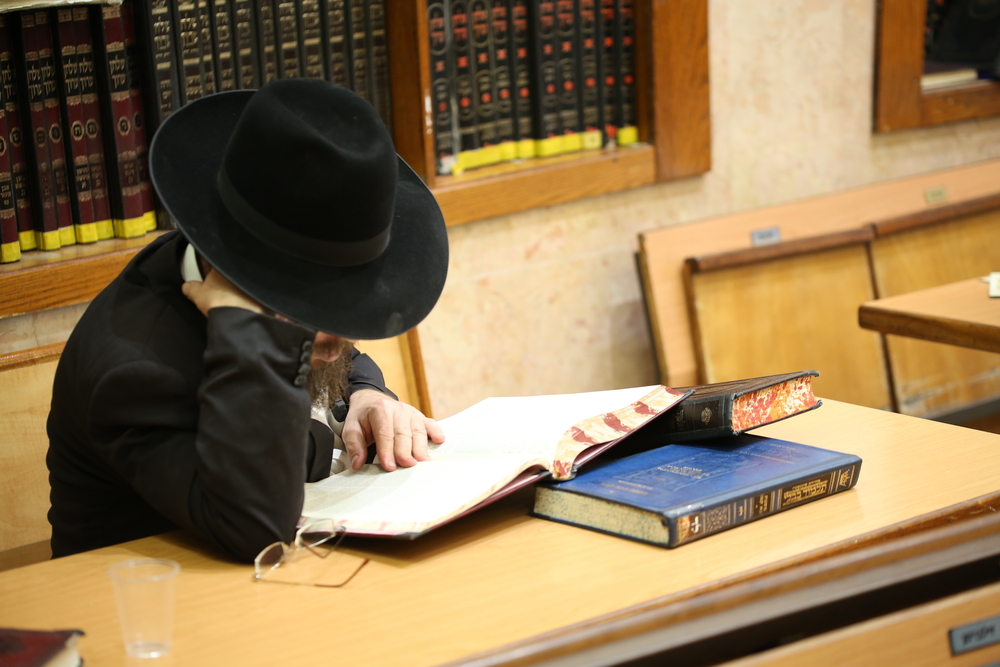
Rabbis will also contact local funeral homes and cemeteries on your behalf, helping to ease the burden of logistical planning. They can assist in coordinating details such as transportation of the deceased, preparing the funeral service, and advising on proper Jewish burial customs. By helping you make these arrangements, the rabbi ensures the service honors both your loved one and Jewish tradition.
The rabbi will also assist you in deciding who will sit with the body of the deceased until the time of the service, a practice known as shmirah. This is one of the most critical traditions of the Jewish faith, ensuring that the deceased is accompanied respectfully until burial.
Step 2: Memorial Considerations
Memorial traditions can differ slightly depending on family customs and the sect of Judaism, but there are several key practices common across all traditions. One tradition is for the family of the deceased to tear their clothing, a practice known as keriah. This significant act symbolizes profound loss and grief. It is usually performed at the beginning of the service to mark the transition into mourning.
Another crucial aspect of the memorial service is the eulogy. The eulogy allows family and friends to honor the life of the deceased and share their memories. Before the service, the family should discuss who will be giving the eulogy. While it is important to share meaningful stories and accomplishments, boasting or exaggeration is discouraged. The best practice is to focus on the deceased’s admirable qualities, virtues, and contributions to their family and community.
Alongside the eulogy, the reading of psalms is an integral part of Jewish memorial services. These prayers help the mourners reflect, find solace, and honor the deceased. Family members or close friends often perform this reading, bringing a personal touch to the service. The combination of the eulogy and psalms ensures a heartfelt and meaningful ceremony.
Other considerations include the order of the service, music selection, and lighting memorial candles. Each element can be adapted to suit your family’s traditions while remaining faithful to Jewish custom. Discussing these details in advance ensures that the service runs smoothly and provides comfort to all attendees.
Step 3: Burial
After the service concludes, the bereaved will proceed from the temple to the cemetery. Many families prefer to limit the burial ceremony attendance to close relatives, though it is considered an honor when a larger number of attendees come to pay their respects. Burial alongside loved ones is often chosen with family monuments, providing a place for generations to honor their deceased family members together.
Jewish burial customs emphasize respect, simplicity, and dignity. The headstone is usually already in place at the time of the burial, but in accordance with tradition, it is veiled until the unveiling ceremony. This practice began when it would take weeks to prepare headstones, but it has continued as a symbol of humility and reverence.
The headstone unveiling ceremony typically takes place one year after burial. This ceremony allows the family to gather, remove the veil, and formally dedicate the monument. It serves as a reminder of the importance of honoring your loved ones, even long after the funeral service has ended.
Step 4: Additional Jewish Mourning Practices
Jewish mourning practices extend beyond the memorial service and burial. The initial mourning period, known as Shiva, typically lasts seven days, during which family members receive visitors and share memories of the deceased. During this time, mourners often recite prayers such as the Kaddish and may follow customs like covering mirrors, sitting on low stools, and abstaining from certain activities.
After Shiva, the mourning period continues with Shloshim, lasting thirty days, and for the loss of a parent, mourning can extend to a full year. Observing these practices ensures that grief is acknowledged, and the family has structured time to honor the deceased.
Memorial plaques, yahrzeit candles, and annual remembrance ceremonies are common ways families continue to honor loved ones after the initial mourning period. Many families choose to incorporate appropriate etiquette during these observances, ensuring traditions are respected while providing comfort and remembrance.
Step 5: Selecting a Jewish Monument
Choosing the right Jewish monument is an essential part of honoring your loved one. A well-crafted monument not only marks the burial site but also serves as a lasting tribute. At Fox Monuments, we guide families through selecting monuments that reflect the deceased’s personality, faith, and family traditions. Materials such as granite, bronze, or marble are often chosen for their durability and timeless elegance.
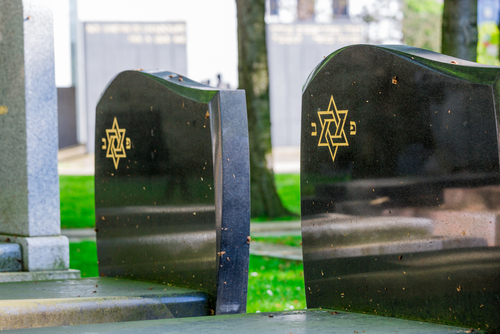
Consider incorporating meaningful symbols like the Star of David, Hebrew inscriptions, or personal emblems. Families may also select designs that accommodate multiple family members, creating a space for generations to come. Discussing monument options early allows you to coordinate with the burial and unveiling ceremonies seamlessly.
Step 6: Practical Planning Tips
Arranging a Jewish memorial service involves many details. Here are practical tips to make the process smoother:
- Start planning as soon as possible to ensure availability of clergy, cemetery plots, and other services.
- Prepare a list of close family and friends to be notified immediately after the death.
- Discuss funeral arrangements openly with family members to avoid misunderstandings.
- Ensure all legal documents, including wills or pre-arranged funeral plans, are readily available.
- Consider pre-planning your own monument or service to reduce stress on your family in the future.
Following these steps ensures that the memorial service honors your loved one, respects Jewish traditions, and provides comfort to mourners.
Conclusion
At Fox Monuments, our primary goal has always been to provide as much comfort to mourning families as we can. A fitting Jewish monument is a central part of arranging a Jewish memorial service.
We take great pride in helping families through difficult times with minimal stress. Our experienced team can assist you in selecting a monument, coordinating services, and ensuring that every detail aligns with Jewish tradition. Contact us to learn more about how we can craft a beautiful monument for your loved one and support you through this meaningful journey.
Frequently Asked Questions About Jewish Memorial Services
1. What is the difference between a Jewish funeral and a memorial service?
A Jewish funeral occurs soon after death and includes burial, prayers, and traditional rituals. A memorial service can occur at any time after the funeral and focuses on honoring the life of the deceased, often including eulogies, psalm readings, and family reflections. Learn more about practices immediately following death.
2. Who should I contact first after a loved one passes away?
The first step is to contact your Rabbi. They provide spiritual guidance, help organize the service, and coordinate with funeral homes and cemeteries. They can also guide you on important traditions, such as shmirah (sitting with the deceased before burial).
3. What is the tradition of tearing clothing (Keriah)?
Keriah is a symbolic act performed at the beginning of the Jewish memorial service. Family members tear a piece of their clothing to signify profound loss and mourning. This is an important practice that helps the family express grief and honor their loved one.
4. How do I choose who will deliver the eulogy?
The family usually decides who is best suited to deliver a thoughtful and heartfelt eulogy. It is important to focus on the deceased’s admirable qualities and contributions without exaggeration. Close friends or family members often participate in psalm readings as well.
5. When is the headstone unveiled?
The headstone unveiling ceremony typically takes place one year after the burial. The headstone is veiled during the burial and unveiled later in a formal ceremony to honor and dedicate the monument.
6. What is Shiva and how long does it last?
Shiva is the initial mourning period in Jewish tradition and usually lasts seven days. During this time, family members receive visitors, recite prayers such as the Kaddish, and follow customs like sitting on low stools and abstaining from certain activities.
7. Can I pre-plan a Jewish memorial service or monument?
Yes, pre-planning can help reduce stress on your family in the future. At Fox Monuments, we assist families with selecting a monument, arranging services, and ensuring all traditions are observed. Pre-planning also allows you to make choices about materials, inscriptions, and design.
8. What are some common symbols used on Jewish monuments?
Common symbols include the Star of David, Hebrew inscriptions, and personal emblems that reflect the deceased’s life and faith. These symbols serve as a lasting tribute and help connect future generations to family traditions.