The Jewish faith is rich with ancient practices, customs, and traditions. There are numerous Jewish rites surrounding each of life’s milestones, from births to weddings to deaths. Each distinctive tradition is a quintessential means of observing the event’s importance while honoring one of the world’s foremost faiths.
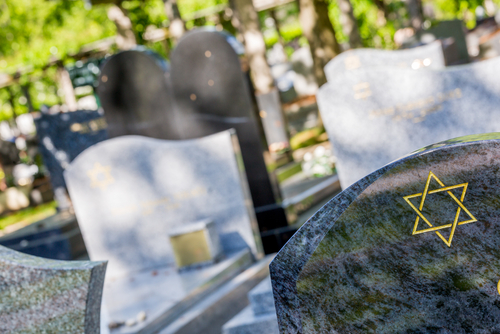
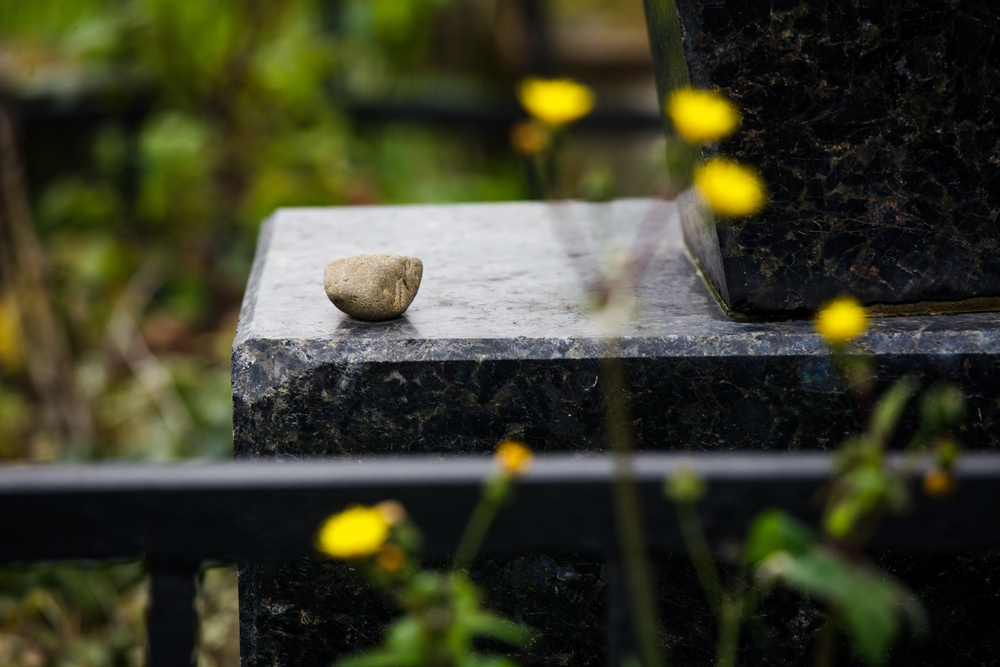
In Judaism, there is one specific custom regarding death that has inspired generations of curiosity and interpretation. Before leaving gravesites, mourners place a small stone on the monument. Of course, this is an indication that someone has visited the grave. This burial tradition is ancient, with origins that are somewhat unclear. Over centuries, numerous interpretations have emerged, each offering insight into why this practice holds meaning for Jewish communities worldwide.
Fox Monuments has been serving Long Island’s Jewish community for over 65 years. We understand the profound impact of loss and recognize the importance of maintaining traditions during these difficult times. Below, we explore several commonly cited explanations for this enduring mourning ritual, including historical, spiritual, and emotional interpretations.
5 Common Explanations of Placing a Stone on a Headstone
1. A Warning to Kohanim (Jewish Priests)
During ancient times in Jerusalem, Jewish priests, known as Kohanim, were prohibited from coming within four feet of a corpse. Exposure to a dead body was believed to render them ritually impure. To prevent accidental contact, visitors began placing stones atop graves as a clear signal to these priests to maintain their distance.
This practical measure eventually became ceremonial. The placement of stones on graves can be seen as a historical practice that may have influenced the modern tradition, connecting contemporary mourners with the religious observances of their ancestors.
2. Stones Last Longer Than Flowers
Many consider stones to symbolize the enduring presence of departed loved ones in our lives. Unlike flowers, which wither and decay quickly, stones are permanent. This permanence represents the lasting memory and legacy of the deceased.
In addition, many Jewish families consider the presence of flowers at a funeral distasteful. By using stones instead, mourners honor their loved ones in a way that can endure indefinitely, symbolizing eternal respect and remembrance. Placing a stone can also support those navigating the challenging stages of mourning, providing a tangible connection to the deceased and a sense of ongoing presence in their lives.
3. Notes Left to Loved Ones
Historically, Jews have placed handwritten notes into Jerusalem’s Western Wall as prayers or messages. When a note needed extra weight to stay in place, it was often secured with a stone at the base of the wall. Over time, this practice influenced Jewish burial customs.
As part of Jewish funeral etiquette, mourners began placing notes on graves and weighing them down with stones. While handwritten notes are less common today, the symbolic act of placing a stone endures as a gesture of communication, a way to express thoughts and feelings toward the deceased.
4. Anchoring the Soul in This World
The Talmud teaches that a person’s soul remains connected to their grave. Placing a stone may have originated as a way to anchor the soul, offering comfort to the living by ensuring that the spirit remains close. This practice underscores the intimate relationship between the living and the dead in Jewish thought.
Another interpretation suggests that the stone serves as protection. Historically, stones were thought to ward off evil spirits or demons that might disturb the deceased, keeping the cemetery a safe, sacred space. In this sense, placing stones acts as both a spiritual safeguard and a loving tribute to the departed, reflecting a concern for their well-being beyond the physical world.
5. Connection and Memory
For mourners, seeing stones on a loved one’s headstone is often comforting. These small markers indicate that others have visited, remembered, and honored the deceased. The act reinforces communal bonds and shows respect across generations.
The Hebrew word for pebble also carries the meaning of “bond.” By placing a stone on a headstone, visitors symbolically create a connection between themselves, the deceased, and the broader community. Some families or individuals select specific stones with personal significance, perhaps from meaningful locations, adding another layer of intent and memory to this enduring ritual.
And Two More Reasons…
6. Historical and Cultural Context
While the symbolic reasons above are widely cited, the practice of placing stones on graves also reflects the broader Jewish worldview. Judaism emphasizes remembrance, continuity, and honoring ancestors. By leaving a physical token, even as simple as a stone, mourners actively participate in maintaining the memory and dignity of those who came before them.
In many communities, this practice is also educational. Children accompanying parents to a cemetery learn about reverence, history, and familial legacy. The simple act of placing a stone becomes a lesson in respect, spirituality, and cultural identity.
7. Personal Rituals and Modern Practice
In contemporary Jewish life, the placement of stones remains a deeply personal gesture. Families may integrate it into larger mourning rituals or use it as a private act of reflection. Some may choose unique stones for each visit, symbolizing milestones or personal thoughts. Others may adopt a collective approach, encouraging community members to participate, reinforcing a sense of unity and shared remembrance.
This flexibility highlights the adaptability of Jewish customs, blending ancient traditions with modern sensibilities. Whether in a small neighborhood cemetery or a large communal burial ground, placing stones is an act that transcends time, connecting past, present, and future generations.
Conclusion
Throughout Jewish mourning customs, the tradition of placing stones on graves is among the most enigmatic and meaningful. While its exact origin is difficult to pinpoint, the practice endures because it resonates on multiple levels—historical, spiritual, and emotional.
Ultimately, placing a stone on the monument you visit is a timeless way to honor, remember, and express love for the departed. Each family or individual may choose the interpretation or practice that holds the most personal significance, keeping the tradition alive for generations to come.