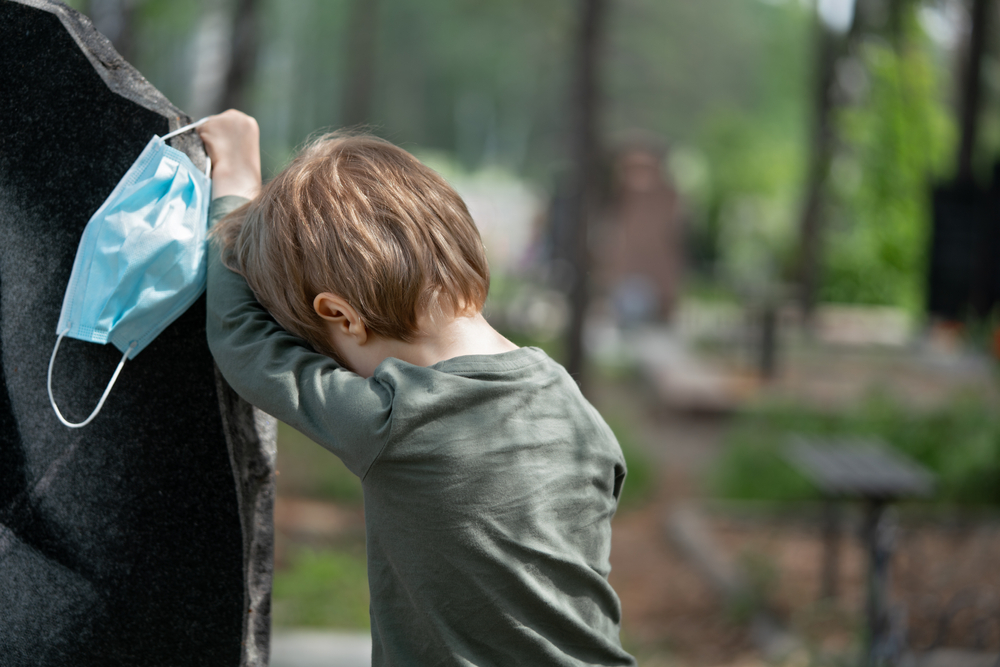
When a loved one passes away, coming together as a community is one of the most meaningful parts of the mourning process. Gathering for a funeral, sharing stories, sitting shiva, and supporting one another in person has always been central to Jewish tradition. But in today’s world, there are times when families simply cannot be together—whether due to distance, illness, travel limitations, or other circumstances beyond anyone’s control.
Even when mourners are miles apart, the need for connection and remembrance remains. Fortunately, there are many heartfelt and meaningful ways to honor a loved one, uphold Jewish values, and maintain a sense of togetherness—no matter where family and friends may be.
At Fox Memorials of Long Island, we understand how important thoughtful memorialization is. For generations, our team has helped families create Jewish monuments, headstones, etchings, and memorials that beautifully preserve tradition and honor loved ones. In this guide, we share three meaningful ideas for holding funerals or memorial gatherings when you are unable to come together in person.
Why Alternative Memorial Options Matter More Than Ever
Families today are often spread across states—or even across the world. It’s also increasingly common for elderly relatives or immunocompromised individuals to be unable to travel. These logistical challenges can make it difficult or impossible for everyone to attend a funeral in person.
Yet Jewish mourning emphasizes community, shared memory, and honoring the deceased together. When physical presence isn’t an option, alternative approaches ensure that:
- Loved ones can participate, regardless of distance
- Jewish traditions are maintained to the greatest extent possible
- Families feel supported during an emotional time
- The memory of the departed is honored properly
Whether you’re planning a funeral, unveiling, or memorial service, the ideas below can help you create a meaningful, connected experience—even when you can’t be in the same room.
1. Host a Virtual Funeral or Shiva Gathering
Virtual memorials have become one of the most impactful ways to bring people together from anywhere in the world. With the help of video platforms like Zoom, families can coordinate a funeral service, a memorial, or even a multi-day Shiva gathering that feels intimate and personal.
How Virtual Funerals Work
A virtual funeral can range from a simple livestream of the graveside service to a full, interactive ceremony where family and friends can speak. Many synagogues and funeral homes now offer livestreaming options, making it easy to involve those who cannot attend in person.
Typical elements of a virtual funeral include:
- Opening prayers and blessings
- Words from a rabbi or officiant
- Eulogies from family and friends
- Reflections, readings, or Psalms
- Memorial slideshows or photographs
- Opportunities for participants to share stories
Even though attendees aren’t physically together, the shared experience can feel surprisingly connected and emotionally powerful.
Hosting a Virtual Shiva
Shiva is traditionally held in the home of the mourners, offering an opportunity for community members to visit, offer condolences, and support the family. When gathering in person isn’t feasible, a virtual Shiva can maintain the sense of closeness and comfort that is so central to this tradition.
Virtual Shiva elements can include:
- Daily gathering times for friends and relatives
- Candle lighting to open the virtual space
- Reading of Psalms
- Sharing of memories and stories
- Group recitation of the Mourner’s Kaddish (if a minyan is present)
- A moderated structure so everyone has time to participate
Many families say that virtual Shiva gatherings allow even more relatives to join—especially older family members, out-of-state children, or relatives living abroad.
Tips for Creating a Meaningful Virtual Service
To make the experience smooth and respectful:
- Choose a host or moderator to manage the technical elements
- Test the platform in advance
- Create an agenda or order of service
- Share a link and instructions with guests early
- Use a slideshow or video tribute to help bring memories to life
- Consider professional livestreaming services for graveside ceremonies
When done thoughtfully, a virtual memorial can be just as meaningful as an in-person ceremony—with the added benefit of enabling broad participation from all who loved the deceased.
2. Create a Shared Memorial Activity for Everyone to Do at Home
If coordinating a live gathering is difficult due to time zones, schedules, or technology challenges, a shared memorial activity can allow everyone to honor the loved one at their own pace—while still feeling connected to the larger family.
These activities are simple, heartfelt gestures that can be done simultaneously or individually, and they hold deep significance in Jewish mourning traditions.
Lighting a Candle at the Same Time
Lighting a memorial candle is a powerful way to honor the deceased. In Jewish custom, a yahrzeit candle is lit on the anniversary of a loved one’s passing, but lighting a candle can be meaningful at any time during mourning.
Families can coordinate a time when everyone lights a candle in honor of the loved one. Even if you light your candle alone, knowing that others are doing the same brings a comforting sense of unity.
Consider sharing:
- A prayer
- A memory
- A short message
- A photo of the candle
Many families use a group text or WhatsApp thread so everyone can send their candle pictures and messages together.
Sharing Memories in a Virtual Memory Book
A digital memory book is a beautiful and lasting way to honor someone—especially when people can’t gather in person. Services like Google Docs, Dropbox Paper, or dedicated memorial sites allow participants to upload:
- Stories
- Photos
- Letters
- Messages of support
- Favorite memories
- Poems or prayers
This becomes a cherished keepsake for the family and can later be incorporated into a printed memorial book or even included during the unveiling ceremony.
Coordinated Acts of Kindness
Jewish tradition emphasizes doing good deeds (mitzvot) in memory of the deceased. Families can choose a shared mitzvah to perform—each person completing it in their own location.
Examples include:
- Donating to a charity the loved one supported
- Volunteering virtually or in the community
- Preparing food for someone in need
- Making a charitable contribution in the person’s honor
These acts help keep the memory of the loved one alive while allowing the family to honor Jewish values together, even when separated.
Reciting Psalms or Prayers
Not everyone can physically gather to pray together, but families can still coordinate the reading of specific Psalms or prayers in the same hour or on the same day. Many choose:
- Psalm 23
- Psalm 91
- El Maleh Rachamim
- The Mourner’s Kaddish (when a minyan is available)
Sharing a short video or message after completing the prayer can strengthen the feeling of collective remembrance.
3. Plan a Delayed Memorial or Unveiling Ceremony for When You Can Gather
If distance makes an immediate funeral or memorial difficult, planning a delayed gathering can provide families with both emotional closure and the ability to honor their loved one in person when the time is right.
Jewish tradition already incorporates a later memorial moment: the unveiling ceremony, typically held within the first year after burial. For families who cannot gather for the funeral, the unveiling provides a meaningful opportunity to come together later—often when travel, schedules, or health constraints have improved.
Why a Delayed Memorial Can Be Meaningful
Many families choose to hold a funeral or burial with only immediate relatives present, then plan a more complete memorial service at a later date. This allows:
- Out-of-town relatives to participate
- Children, grandchildren, or older family members to travel comfortably
- Families to plan a thoughtful, personal service without urgency
This delayed memorial can include readings, prayers, stories, and rituals that honor the loved one with the time and attention they deserve.
Planning a Thoughtful Jewish Unveiling Ceremony
The unveiling of the monument or headstone is one of the most sacred and meaningful Jewish mourning traditions. It symbolizes permanence, honor, and remembrance.
At Fox Memorials, we design and craft custom Jewish headstones, monuments, and etchings that reflect the individual’s life, faith, and heritage. When families plan an unveiling, they often choose to:
- Share a dedication or brief eulogy
- Recite Psalms
- Unveil the monument together as a family
- Read inscriptions that preserve the loved one’s memory
- Place stones on the grave as a sign of respect
- Gather afterward for a meal or quiet moment
When family members cannot attend the funeral itself, the unveiling provides a profound opportunity to participate in the mourning process and honor their loved one in a meaningful way.
Incorporating Remote Participation into the Unveiling
Even if many relatives can attend the unveiling at a later date, some may still be unable to travel. In those cases, livestreaming the ceremony or recording the unveiling ensures that everyone has a chance to take part.
Fox Memorials can work directly with families to ensure headstones and monuments are completed in time for the unveiling and that all cultural and religious details are correct and beautifully executed.
Honoring Jewish Tradition Even When Apart
One of the greatest strengths of Jewish mourning practices is the emphasis on remembrance—both immediately after death and throughout the entire first year and beyond. When families cannot gather in person, these traditions can still be upheld with care and respect.
Even from afar, families can maintain:
- The importance of prayer
- Acts of kindness in the loved one’s name
- Community support
- The creation of lasting memorials
- Respect for heritage, culture, and spirituality
With today’s technology and the timeless nature of Jewish customs, there are more ways than ever to honor a loved one’s memory with meaning and dignity.
How Fox Memorials Supports Families During Difficult Times
At Fox Memorials of Long Island, we understand how overwhelming it can feel to make decisions after losing a loved one—especially when distance complicates the process.
Our team provides compassionate guidance and expert craftsmanship in:
- Jewish monuments
- Custom headstones
- Engraving and etching
- Double monuments
- Monument cleaning and repair
- Personalized memorial designs
Every headstone and monument is crafted with deep respect for Jewish heritage, symbolism, and tradition. Whether your family is local or spread across the country, we ensure your loved one’s memorial is a permanent, beautiful tribute.
Final Thoughts
Being separated from loved ones during a time of loss is incredibly difficult. But with a combination of modern technology and timeless Jewish traditions, families can still come together—spiritually, emotionally, and symbolically.
Whether through virtual gatherings, shared memorial activities, or a delayed unveiling ceremony, it is absolutely possible to honor a loved one meaningfully, even from afar.
If your family is planning a memorial or unveiling and needs assistance creating a lasting tribute, Fox Memorials is here to help with expertise, compassion, and a deep understanding of Jewish memorial traditions.